Keystone Research Supply
Research Library
Mechanism summaries, peer-reviewed studies, and citations for every peptide we offer. For Research Use Only — not for human or animal consumption.
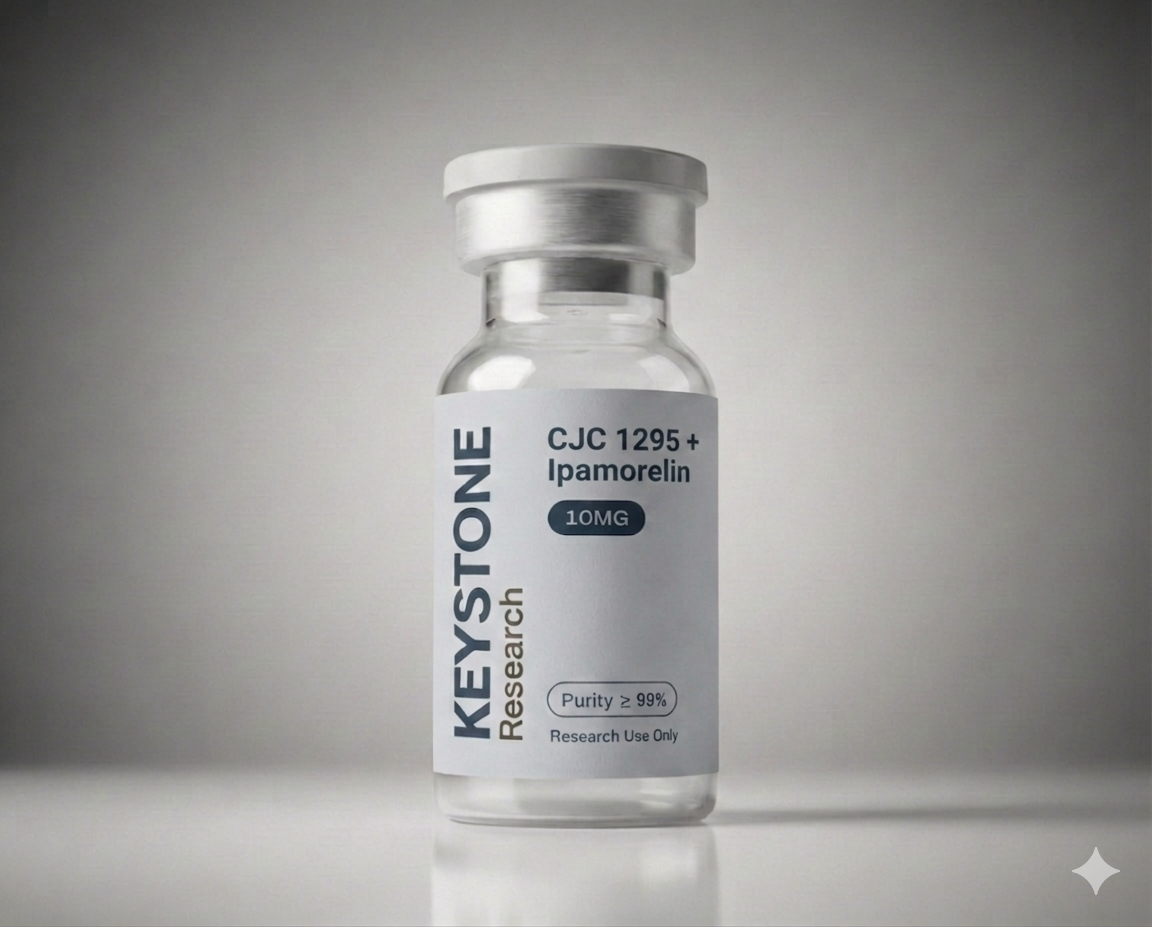
CJC 1295 + Ipamorelin
CP10This blend pairs two distinct GH-releasing mechanisms. CJC-1295 is a GHRH analog that binds GHRH receptors on pituitary somatotrophs (4-fold greater receptor affinity than native GHRH). Ipamorelin is a selective ghrelin receptor (GHS-R1a) agonist acting through a separate pathway. Co-administration produces synergistic pulsatile GH release while Ipamorelin's selectivity avoids cortisol, prolactin, and aldosterone elevation typical of earlier secretagogues.
2 studies →
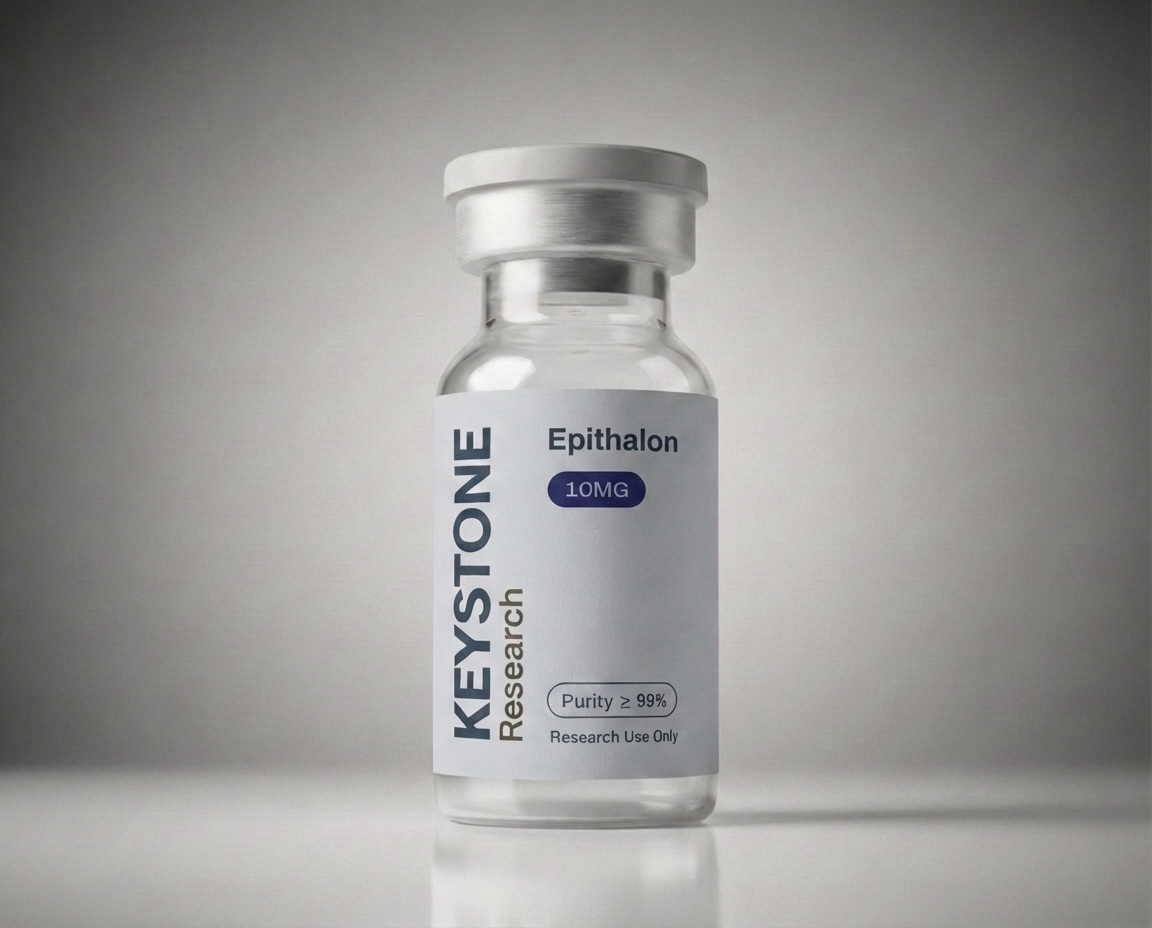
Epithalon
ET10Epithalon (Ala-Glu-Asp-Gly) is a synthetic tetrapeptide modeled on the bovine pineal gland extract epithalamin. Research indicates it binds specific DNA sequences and upregulates telomerase reverse transcriptase expression. It also appears to modulate melatonin synthesis via pineal gland signaling, with downstream effects on circadian-regulated gene expression and pineal-related biomarkers.
3 studies →
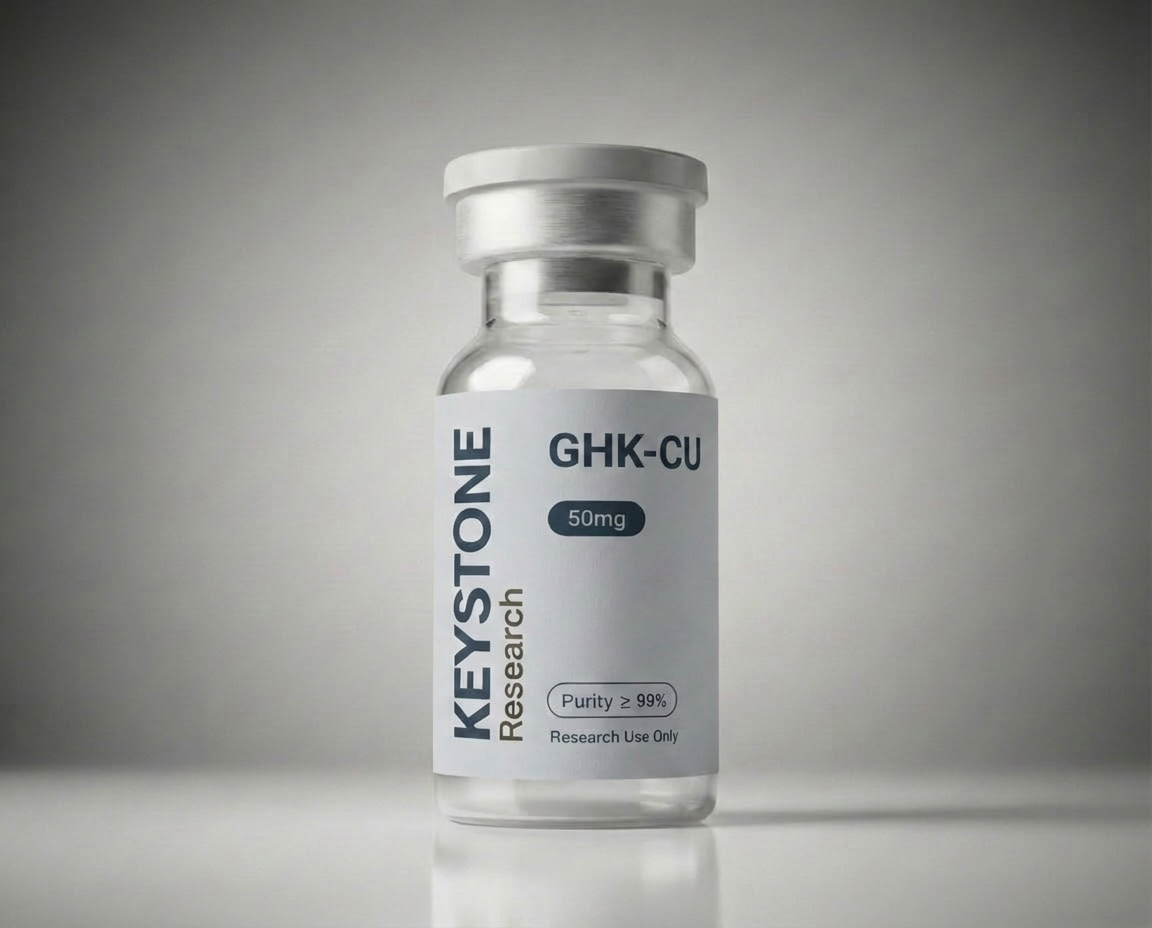
GHK-CU
CU50GHK-Cu (Glycyl-L-Histidyl-L-Lysine : Cu²⁺) is a naturally occurring tripeptide that binds copper with high affinity. The peptide is studied in vitro for its role in extracellular-matrix remodeling, redox regulation, and gene-expression modulation; its copper-binding chemistry is the central pharmacophore.
10 studies →
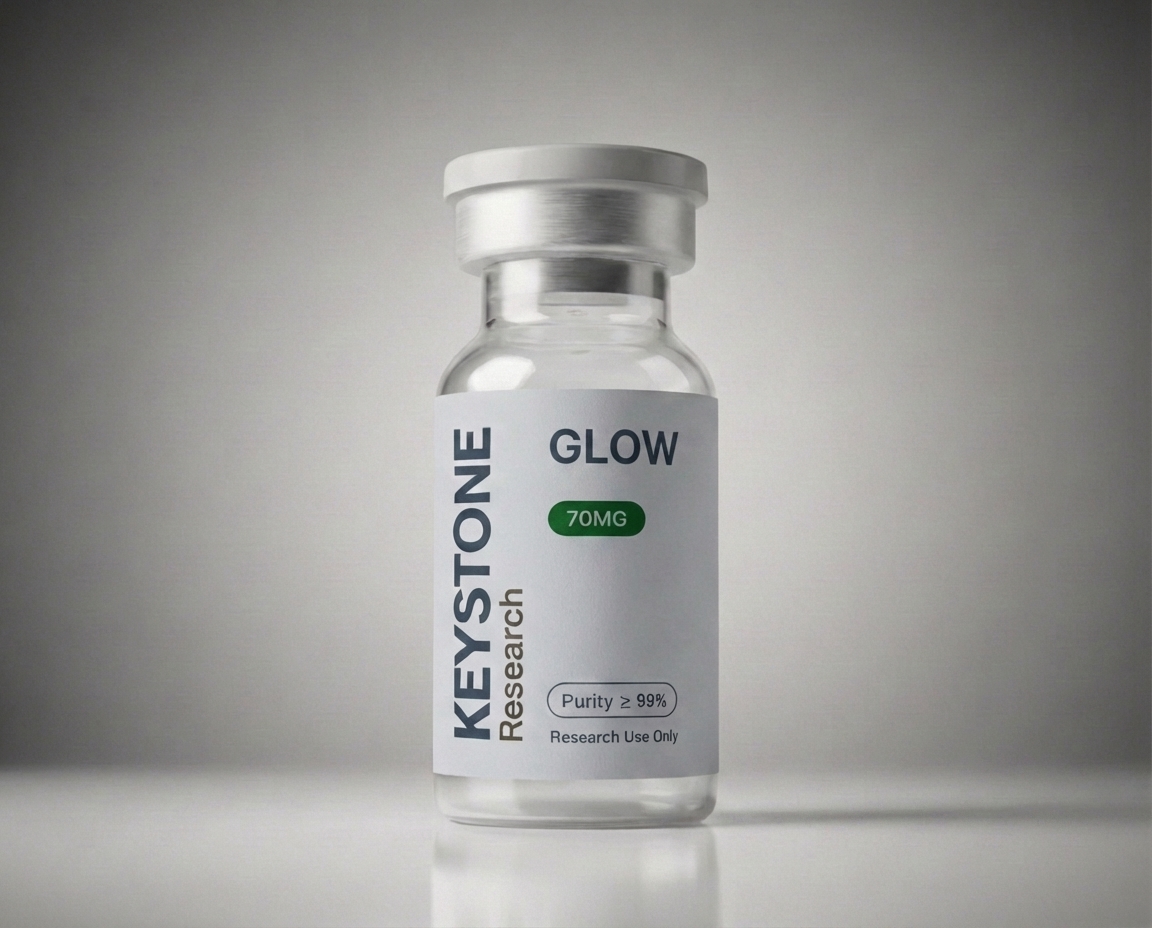
GLOW
BBG70GLOW combines three complementary repair peptides. BPC-157 (Body Protection Compound, a 15-aa gastric peptide) promotes angiogenesis via VEGFR2-PI3K-Akt-eNOS signaling and upregulates growth hormone receptor expression. TB-500 (thymosin beta-4 fragment Ac-LKKTETQ) regulates actin sequestration enabling cell migration in wound repair. GHK-Cu (glycyl-histidyl-lysine copper tripeptide) stimulates collagen, elastin, and glycosaminoglycan synthesis in dermal fibroblasts and modulates MMP/TIMP balance.
1 study →
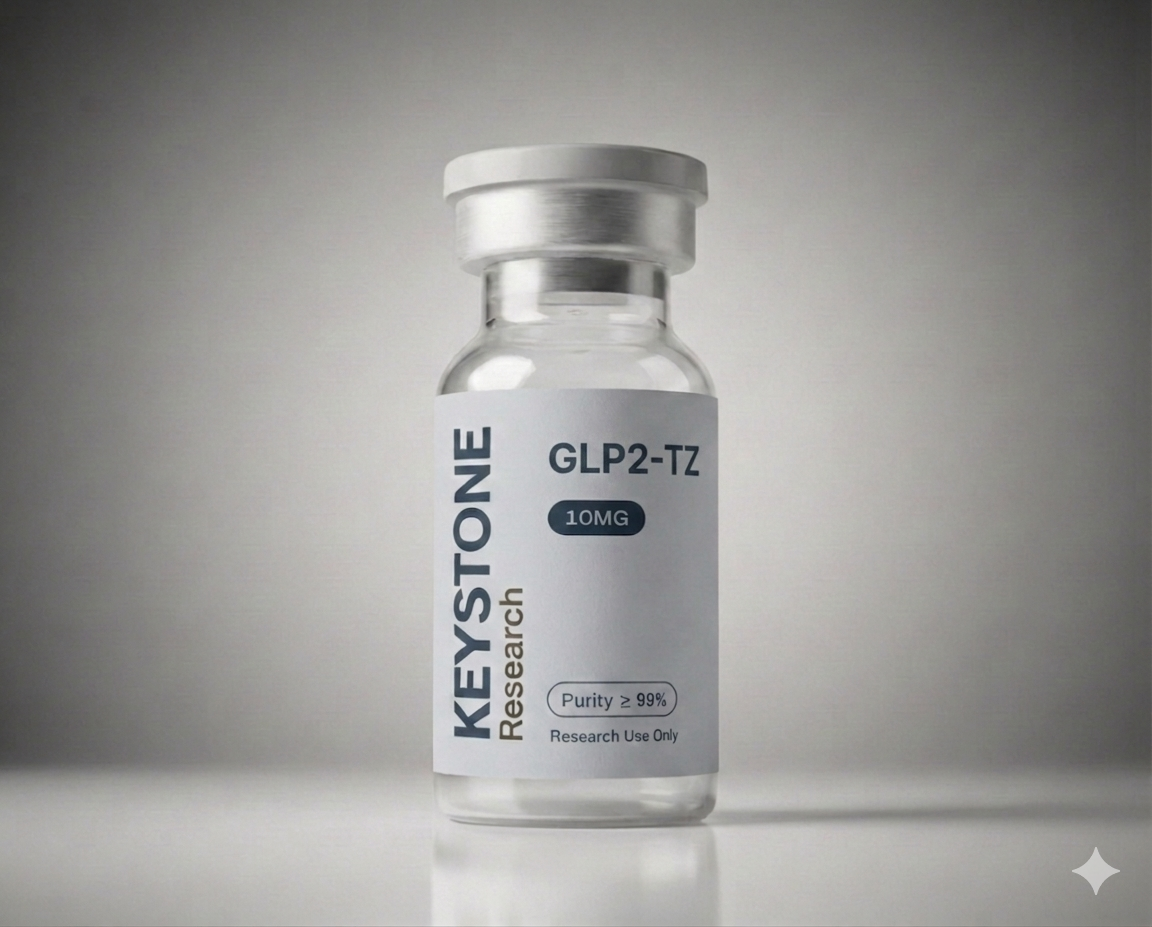
GLP2-TZ
TR10Tirzepatide is a 39-amino-acid dual GIP/GLP-1 receptor agonist engineered from the GIP sequence with GLP-1 activity. GLP-1 activation enhances glucose-dependent insulin release, slows gastric emptying, and promotes satiety. GIP co-agonism amplifies insulin secretion and modulates adipose tissue function. SURPASS trials demonstrated HbA1c reductions of 1.24-2.58% and weight reductions of 5.4-11.7 kg at weekly doses of 5-15 mg.
2 studies →
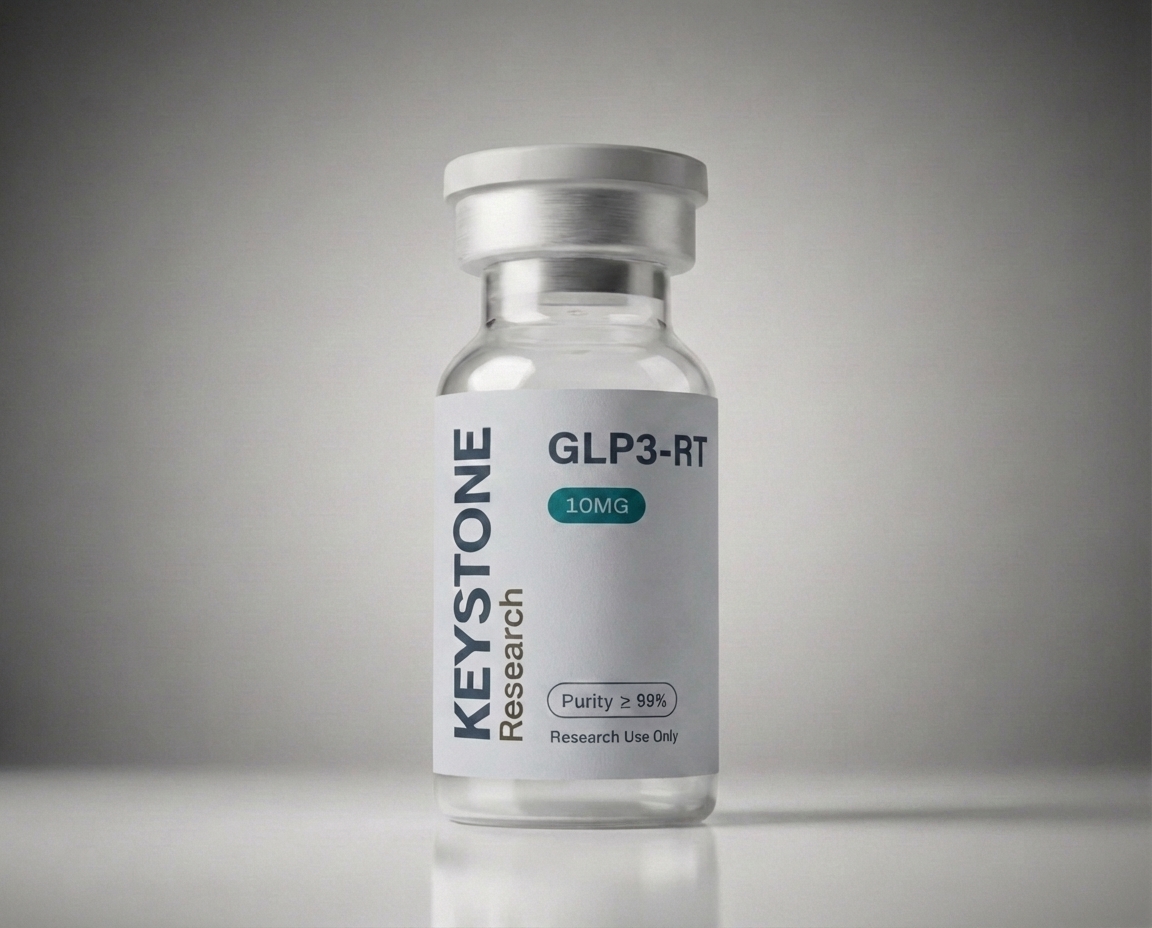
GLP3-RT
RT10Retatrutide (LY3437943) is a triple agonist targeting GLP-1, GIP, and glucagon receptors. GLP-1 activation enhances glucose-dependent insulin secretion and satiety; GIP agonism amplifies incretin response and modulates adipose tissue; glucagon receptor activation increases energy expenditure and hepatic lipid oxidation. Phase 2 trials showed up to 24.2% weight reduction at 48 weeks.
1 study →
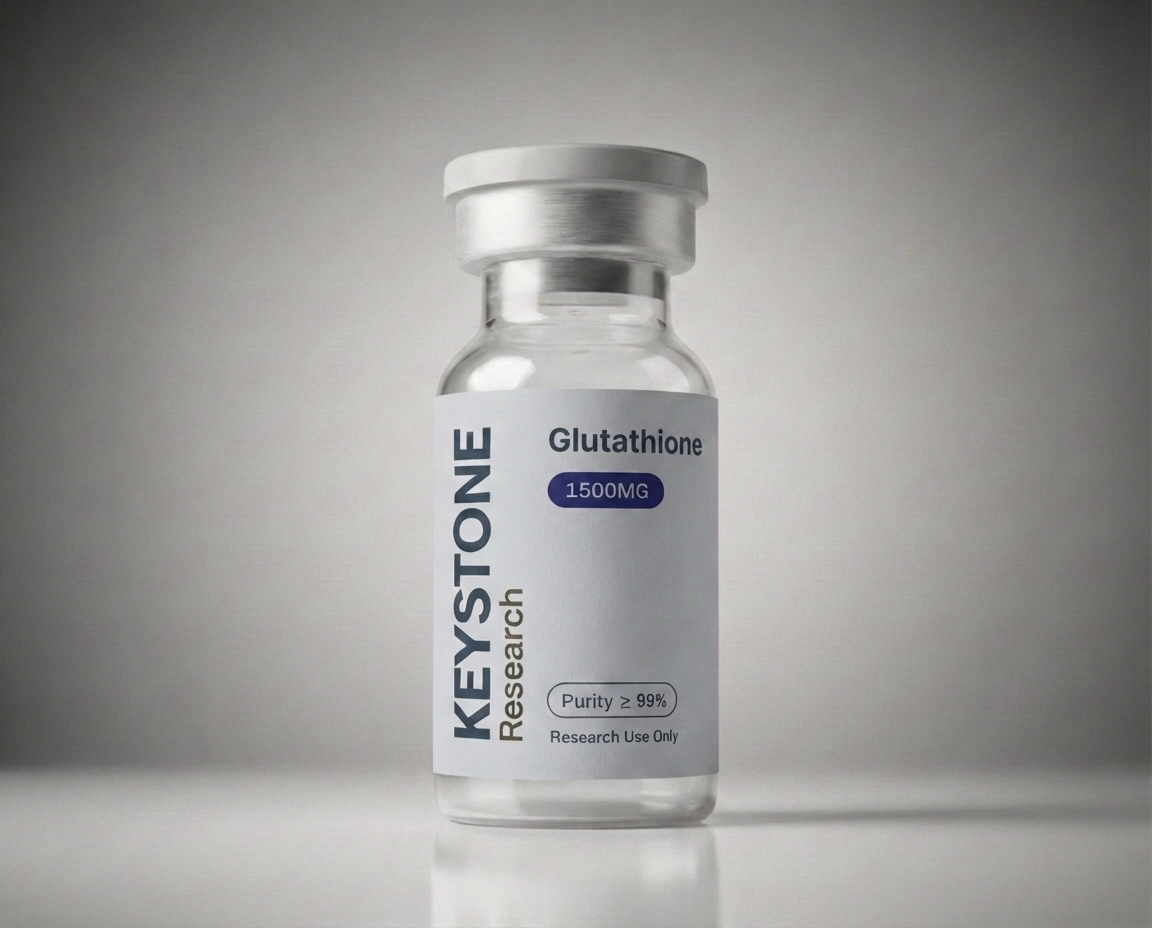
Glutathione
GT1500Glutathione (γ-L-glutamyl-L-cysteinyl-glycine) is the body's most abundant intracellular thiol antioxidant. It directly neutralizes reactive oxygen species, serves as cofactor for glutathione peroxidase and glutathione-S-transferase, and participates in phase II hepatic detoxification. The reduced/oxidized (GSH/GSSG) ratio is a primary marker of cellular redox state.
4 studies →
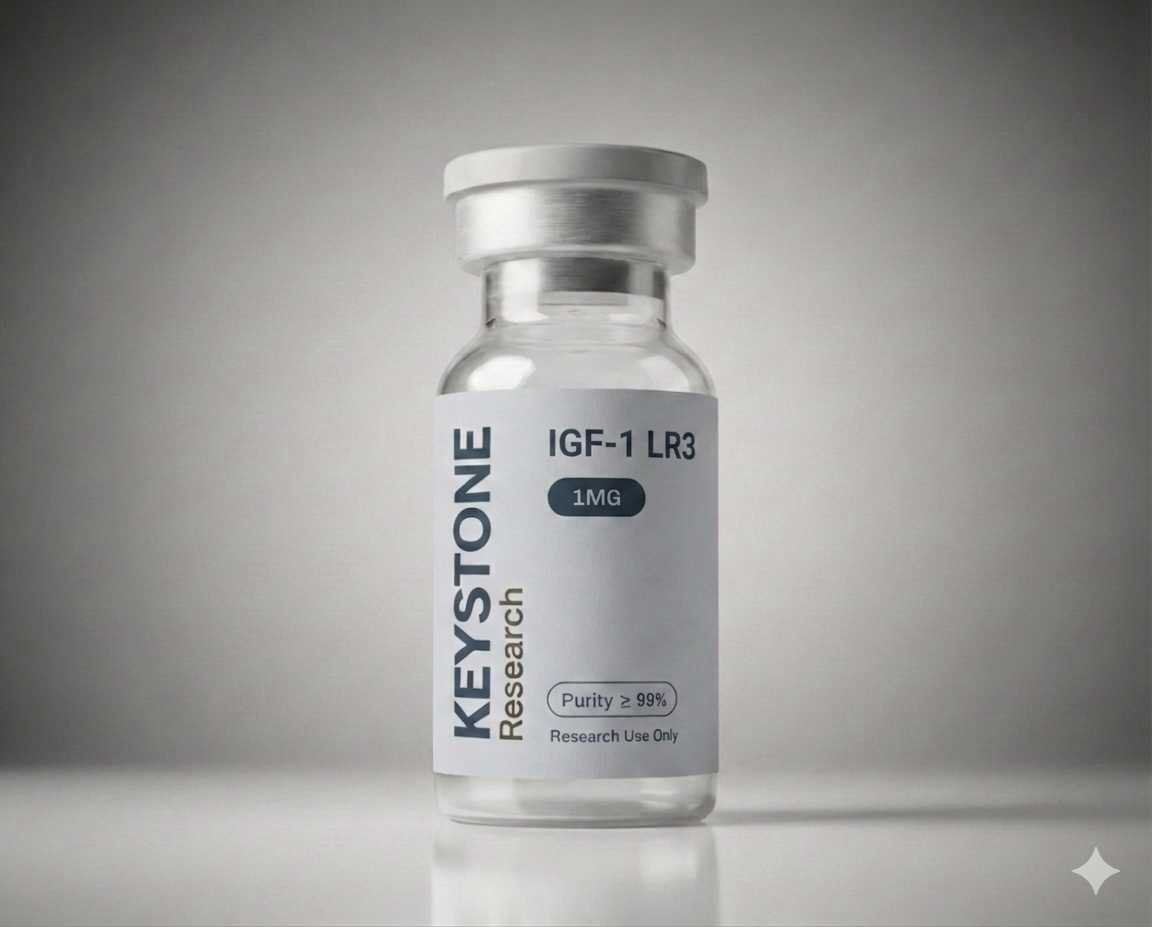
IGF-1 LR3
IGF-1IGF-1 LR3 is an 83-amino-acid IGF-1 variant with an arginine substitution at position 3 (replacing glutamic acid) and a 13-amino-acid N-terminal extension. These modifications dramatically reduce binding to IGF-binding proteins (IGFBPs), extending half-life from ~12-15 minutes (native IGF-1) to approximately 20-30 hours, and making it roughly 3x more potent. It retains full agonism at the IGF-1 receptor, activating PI3K/Akt/mTOR and MAPK pathways driving protein synthesis and cell proliferation.
10 studies →
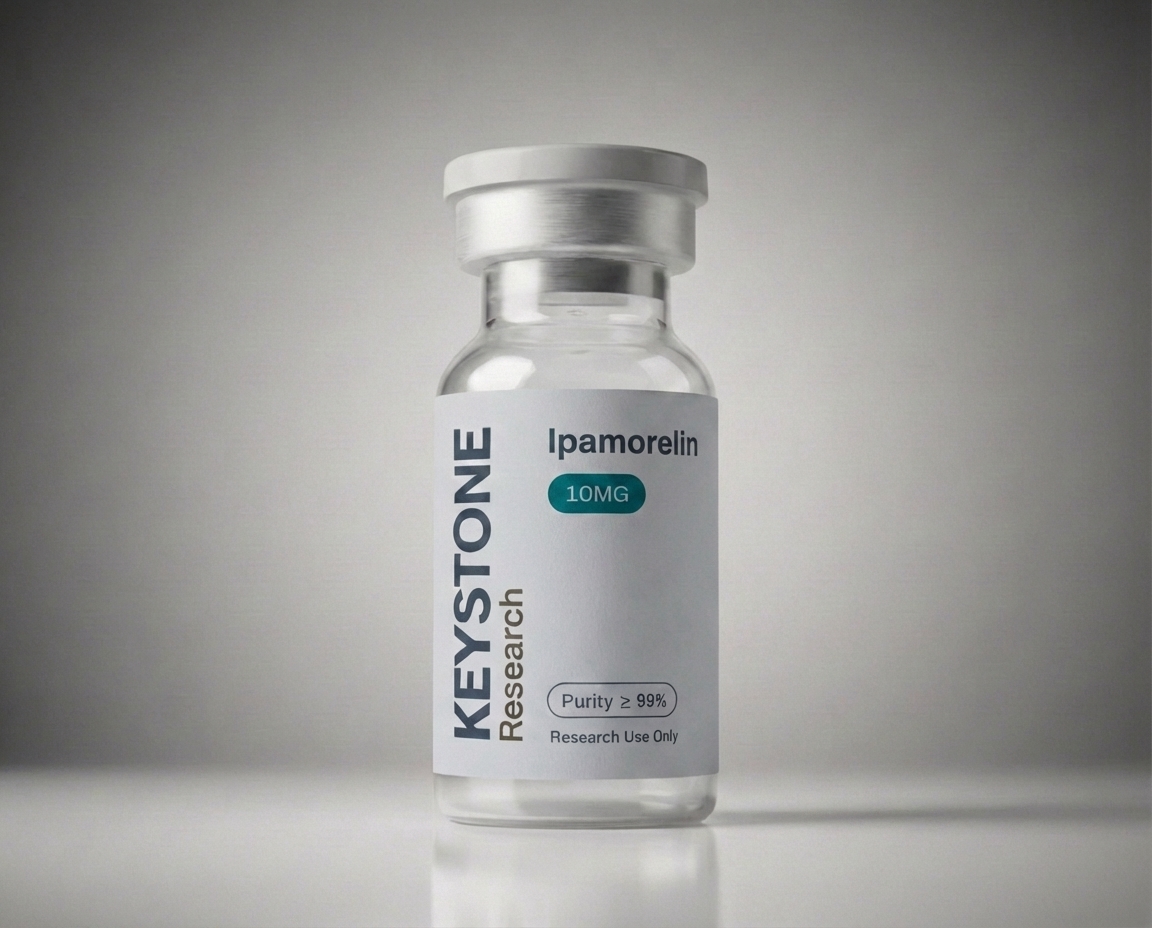
Ipamorelin
IP10Ipamorelin is a pentapeptide (Aib-His-D-2-Nal-D-Phe-Lys-NH2) that selectively agonizes the ghrelin receptor (GHS-R1a) on pituitary somatotrophs. Developed by Novo Nordisk from the GHRP-1 scaffold, it was the first GHRP-receptor agonist with GH-release selectivity comparable to GHRH. Unlike GHRP-6 or GHRP-2, it produces GH release without meaningful stimulation of ACTH, cortisol, prolactin, FSH, LH, or TSH, even at doses >200x the ED50 for GH release.
1 study →
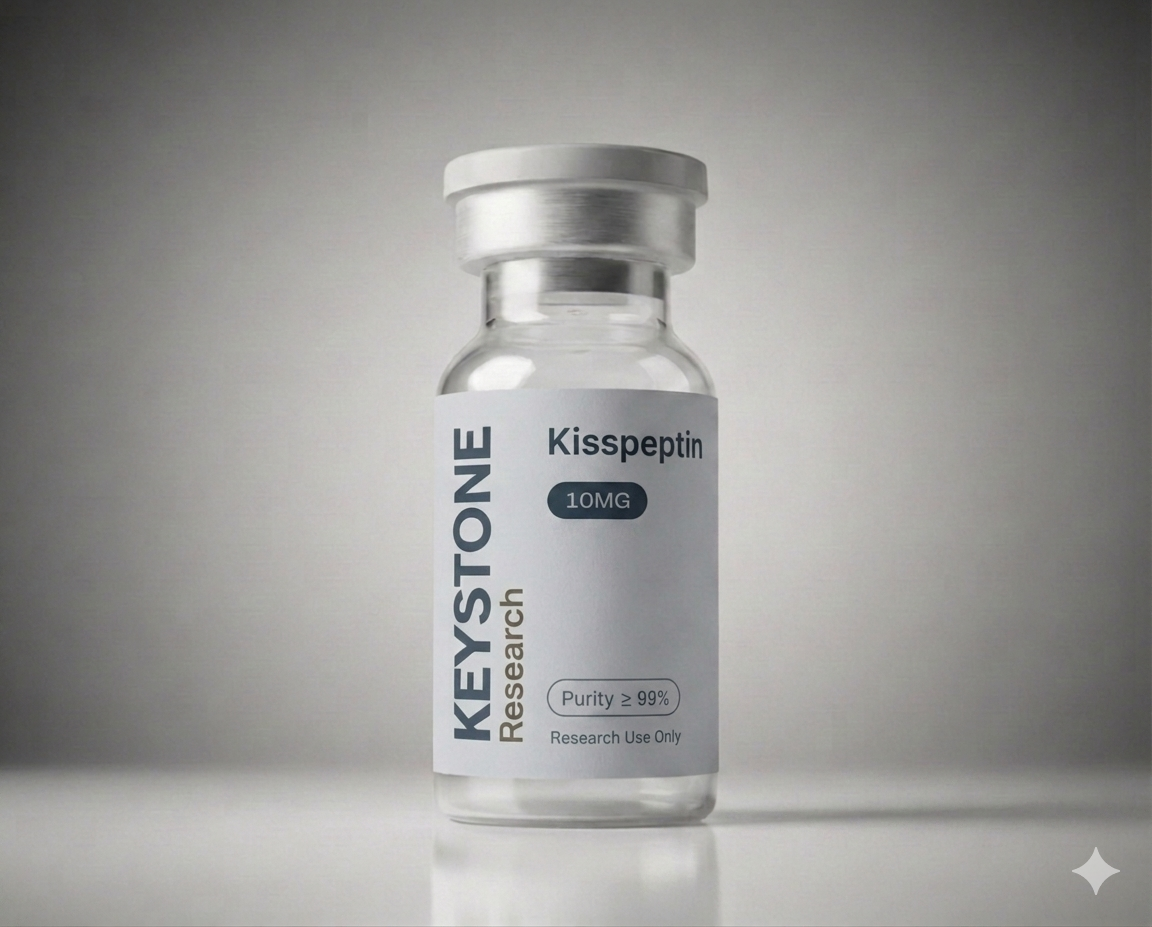
Kisspeptin
KS10Kisspeptin is the endogenous ligand for the KISS1R (GPR54) receptor and a master regulator of the hypothalamic-pituitary-gonadal (HPG) axis. It acts upstream of GnRH neurons, triggering pulsatile GnRH release, which in turn drives LH and (less potently) FSH secretion. Loss-of-function mutations in KISS1R cause hypogonadotropic hypogonadism. Kisspeptin stimulates LH release 2-3-fold in humans in most contexts.
3 studies →
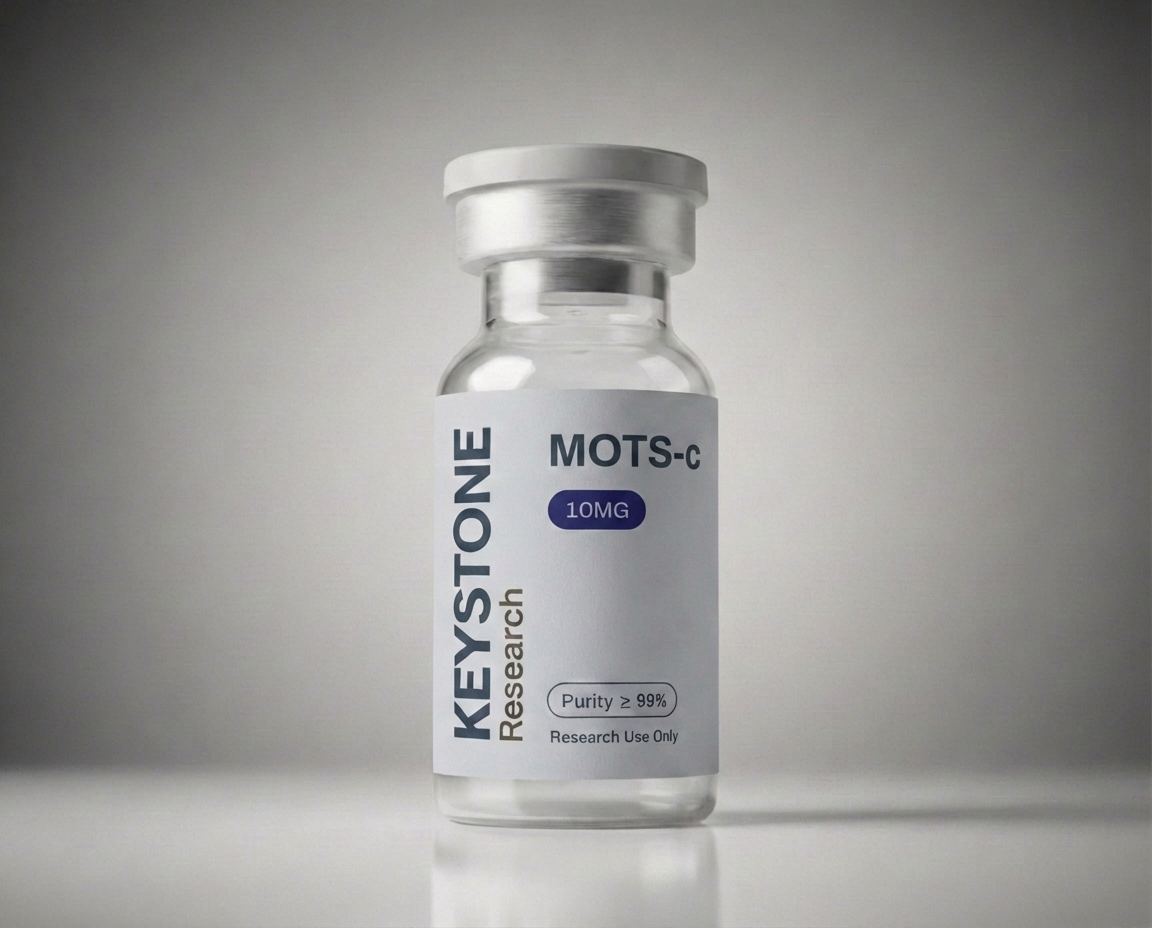
MOTS-c
MS10MOTS-c (Mitochondrial ORF of the 12S rRNA-c) is a 16-amino-acid peptide encoded within mitochondrial DNA. Under metabolic stress, it translocates to the nucleus in an AMPK-dependent manner and regulates stress-adaptation gene expression. It acts primarily through the Folate-AICAR-AMPK pathway, influencing glucose metabolism, GLUT4 translocation, and fatty acid oxidation.
4 studies →
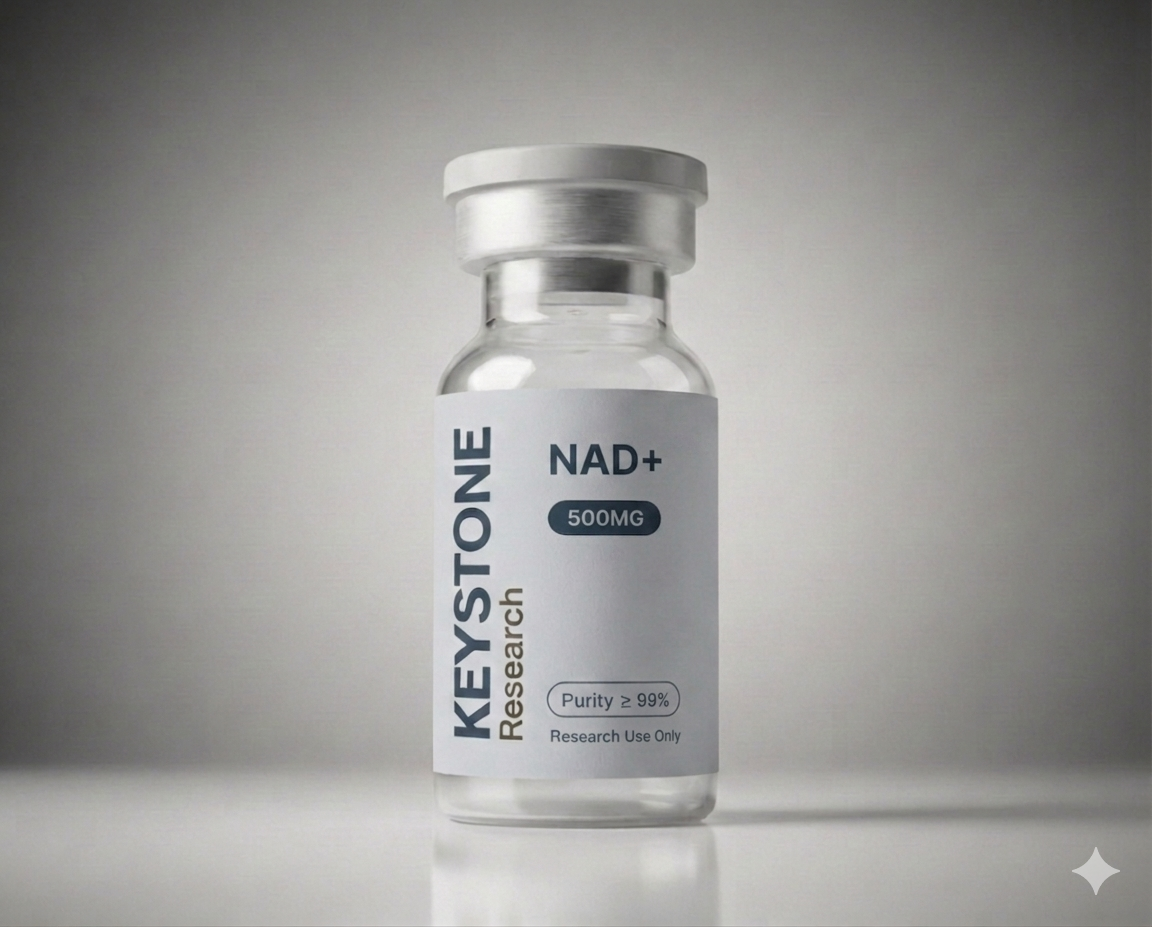
NAD+
NJ500NAD+ functions as an obligate cofactor for sirtuins (SIRT1-7), PARPs (DNA repair), and CD38. It is central to redox reactions in glycolysis, the TCA cycle, and oxidative phosphorylation. Cellular NAD+ declines with age; research investigates restoration via precursors like NR and NMN as a lever for sirtuin-mediated longevity pathways and DNA repair capacity.
1 study →
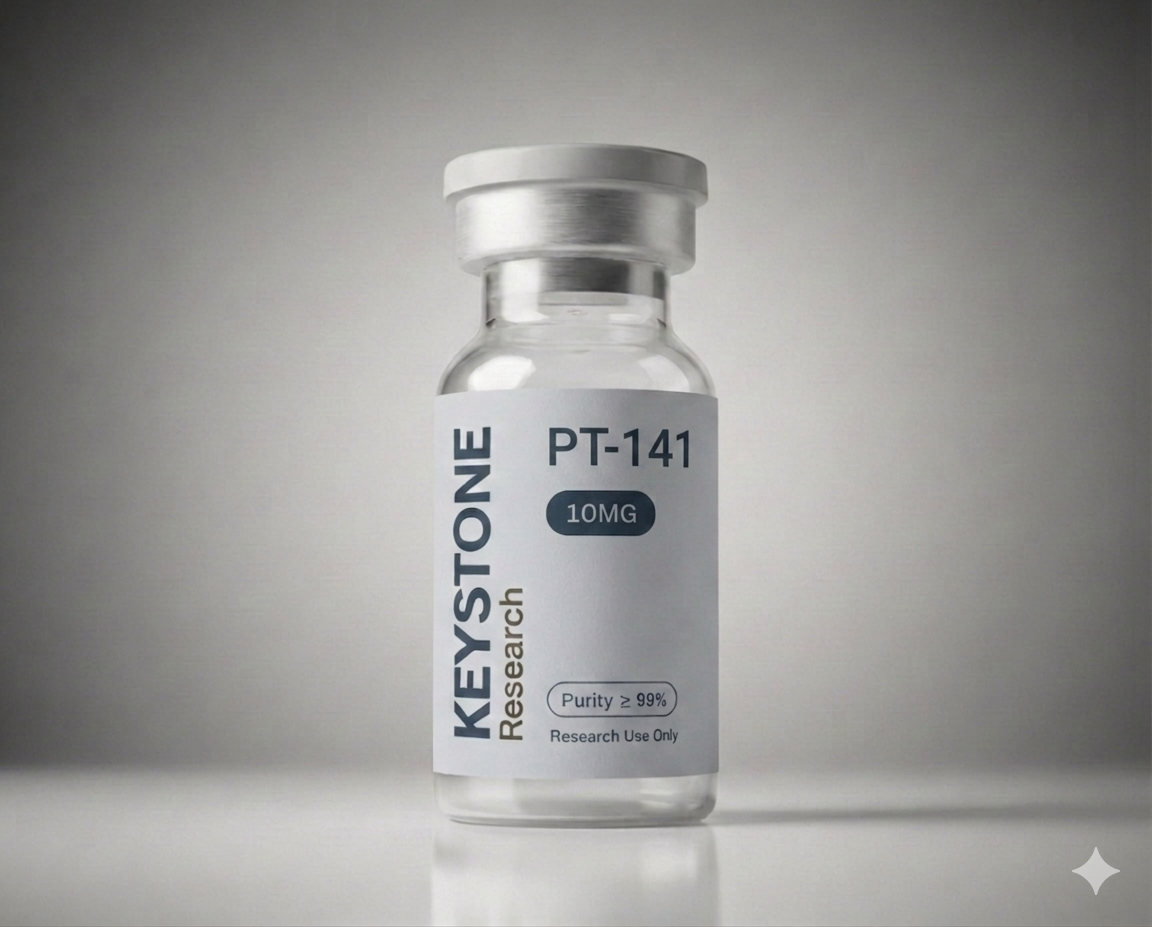
PT-141
PT41PT-141 (Bremelanotide) is a synthetic cyclic heptapeptide analog of alpha-melanocyte-stimulating hormone. It acts as a non-selective melanocortin receptor agonist, with primary research interest at MC3R and MC4R in the hypothalamus. Unlike PDE5 inhibitors acting on vascular smooth muscle, its mechanism operates through CNS pathways. FDA-approved in 2019 (Vyleesi) for hypoactive sexual desire disorder in premenopausal women; dual mechanism involves nitric oxide release and central arousal modulation.
2 studies →
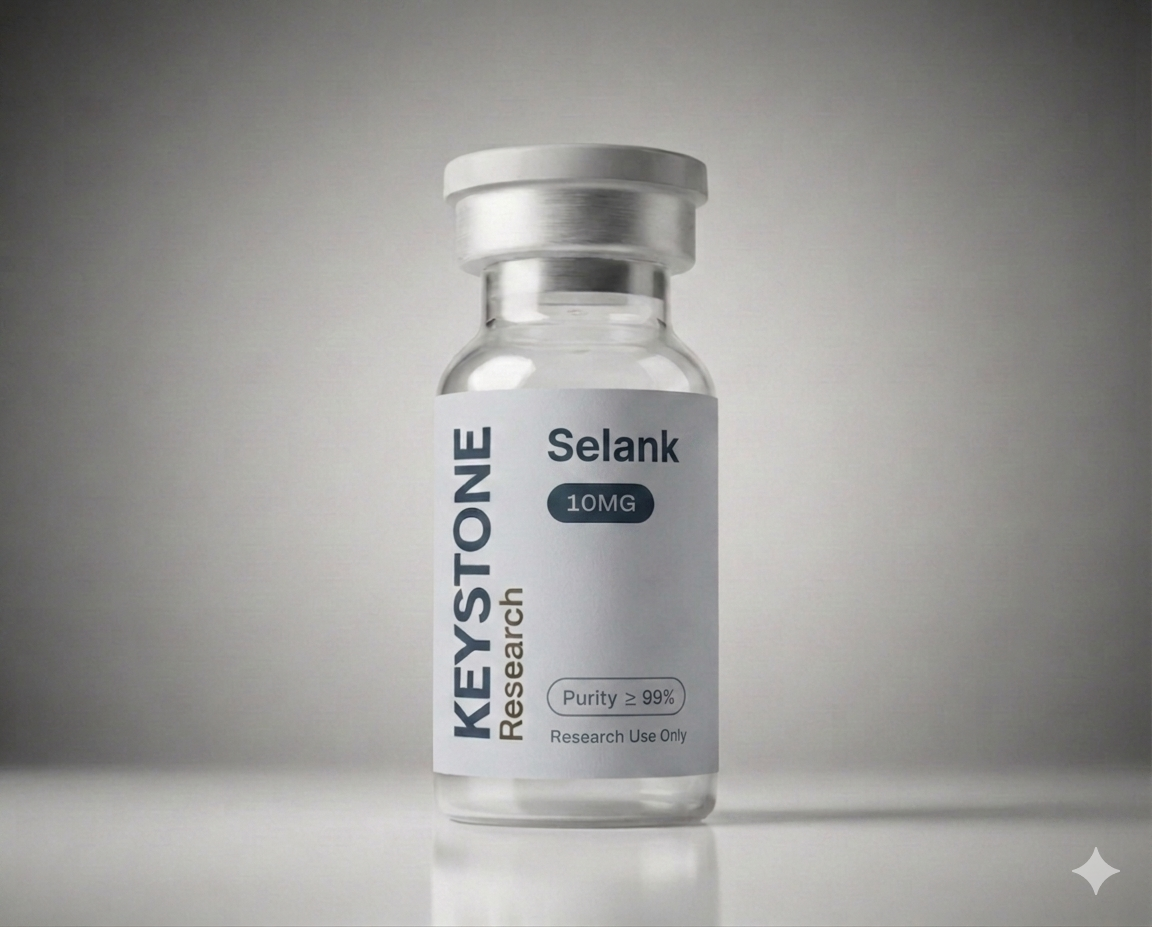
Selank
SK10Selank (Thr-Lys-Pro-Arg-Pro-Gly-Pro) is a synthetic heptapeptide analog of the immunomodulatory peptide tuftsin, with an added Pro-Gly-Pro C-terminal for metabolic stability. Clinical studies in Russia show anxiolytic activity comparable to benzodiazepines without sedation, tolerance, or withdrawal. Research indicates modulation of GABAergic and serotonergic systems, influence on enkephalin metabolism, and rapid elevation of BDNF in the rat hippocampus.
3 studies →
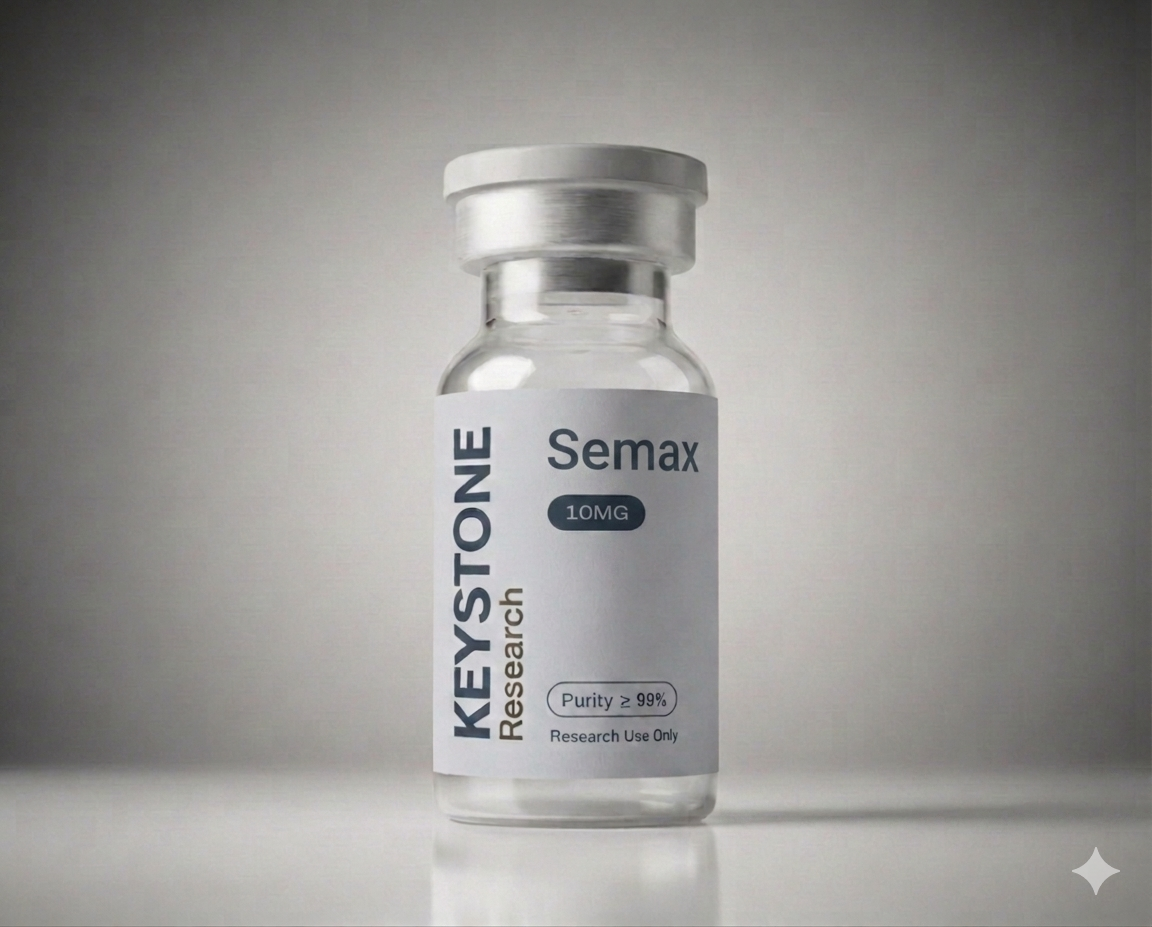
Semax
XA10Semax (Met-Glu-His-Phe-Pro-Gly-Pro) is a synthetic heptapeptide analog of ACTH fragment 4-10, with a C-terminal Pro-Gly-Pro sequence that resists enzymatic degradation. Research shows intranasal administration increases BDNF protein levels and trkB phosphorylation in rat hippocampus, with a 3-fold increase in BDNF mRNA. It modulates dopaminergic and serotonergic systems and may interact with melanocortin receptors (MC4/MC5) as antagonist or partial agonist. Approved in Russia for ischemic stroke.
3 studies →
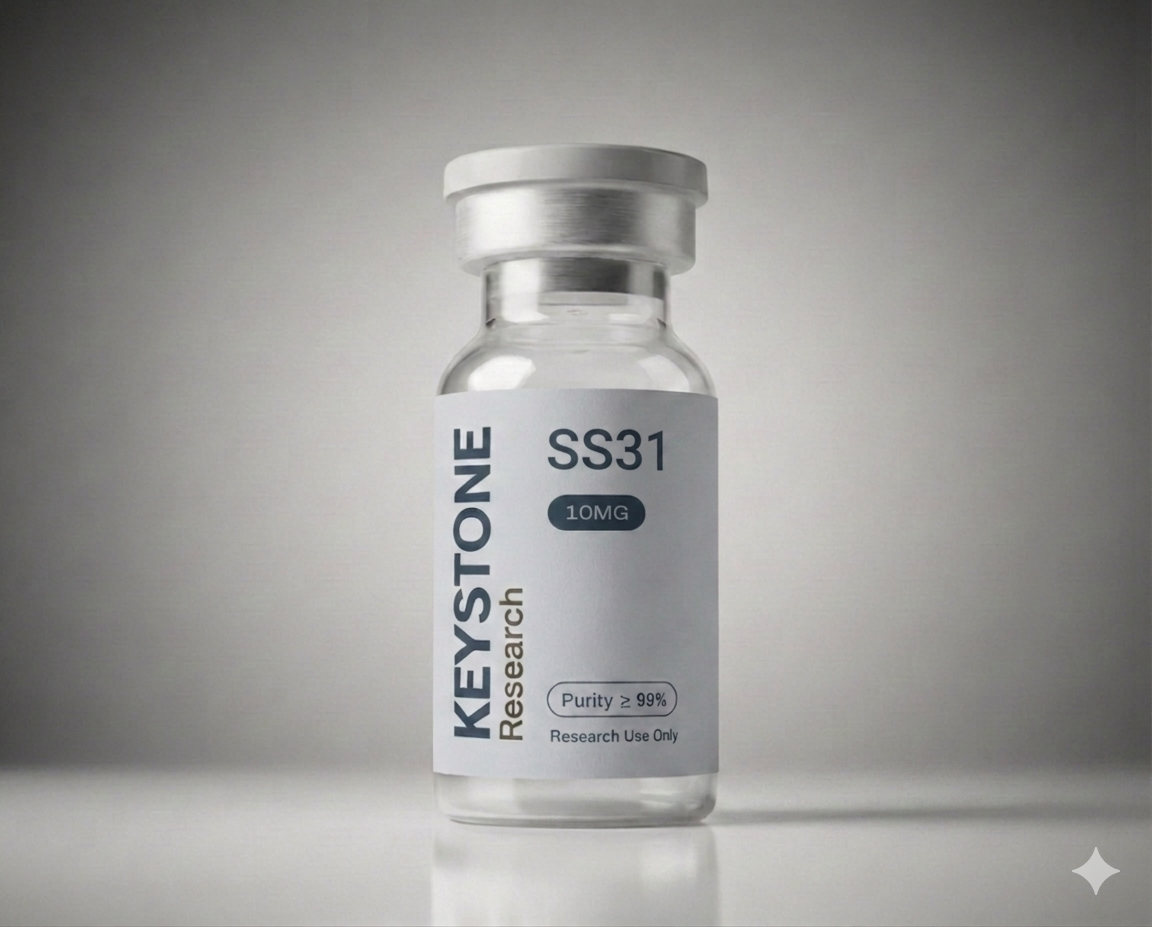
SS31
2S10SS-31 (D-Arg-Dmt-Lys-Phe-NH2) is a mitochondria-targeted tetrapeptide that selectively binds cardiolipin on the inner mitochondrial membrane via electrostatic interactions. It stabilizes cristae architecture, reduces cardiolipin peroxidation, and preserves electron transport chain function. Unlike conventional antioxidants, it concentrates in mitochondria independent of membrane potential.
3 studies →
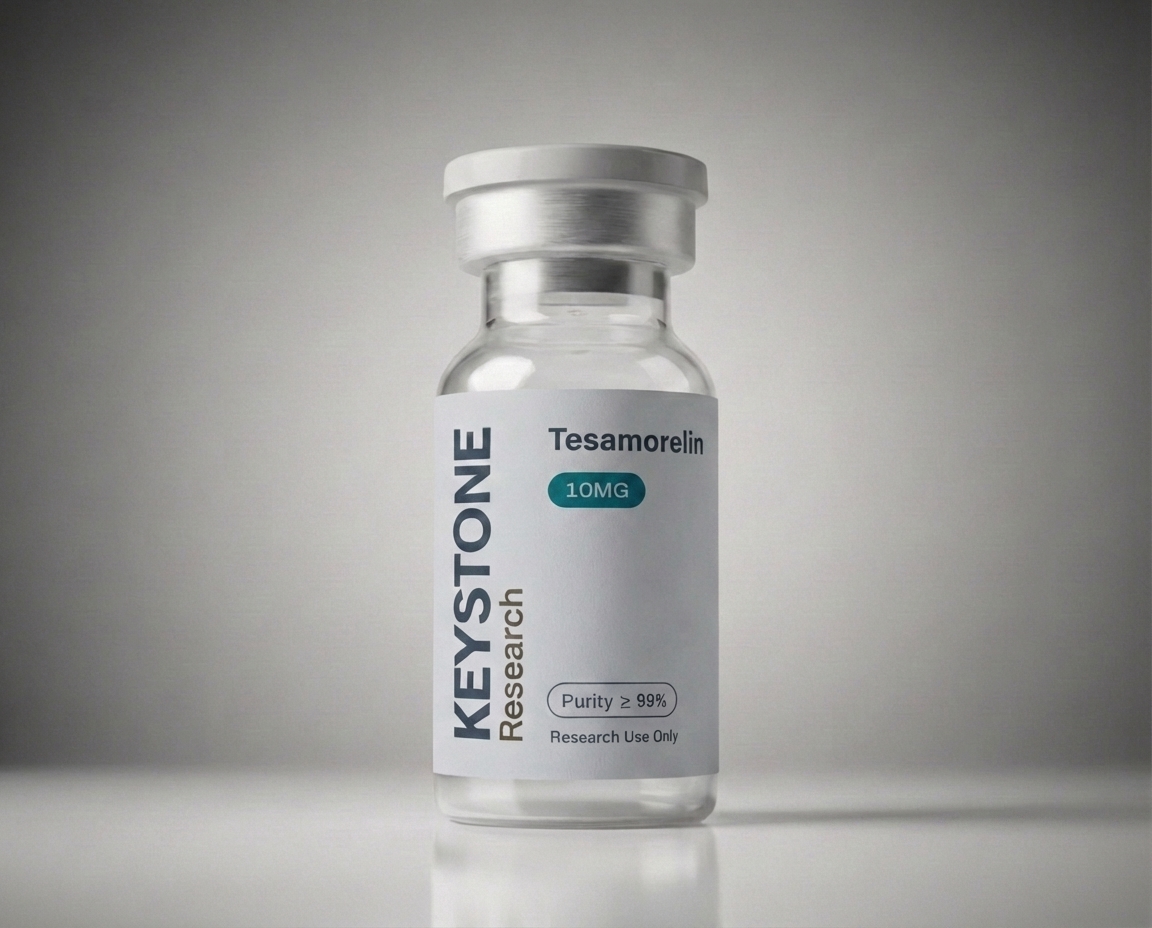
Tesamorelin
TSM10Tesamorelin is a 44-amino-acid stabilized analog of GHRH with a trans-3-hexenoic acid modification that resists DPP-IV degradation. It binds GHRH receptors on anterior pituitary somatotrophs, stimulating pulsatile GH release, which in turn elevates hepatic IGF-1. Clinical trials demonstrated preferential reduction of visceral adipose tissue (approximately 15-20% VAT reduction over 26 weeks) with minimal effect on subcutaneous fat. FDA-approved for HIV-associated lipodystrophy.
3 studies →
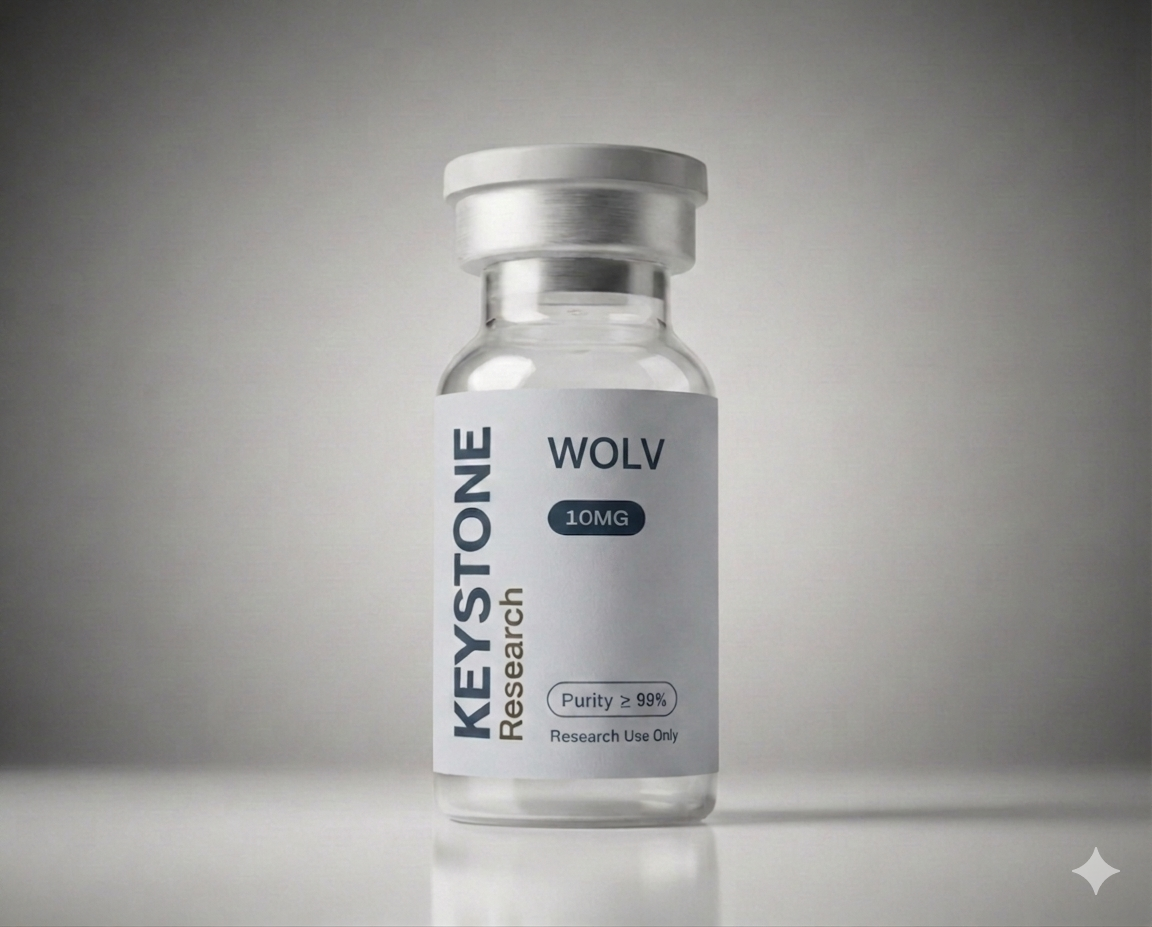
Wolverine
WOLV10Wolverine blends BPC-157 and TB-500 to cover complementary repair mechanisms. BPC-157 promotes angiogenesis via VEGFR2 signaling and the Akt-eNOS axis, upregulates GH receptor expression, and supports GI mucosal integrity through nitric oxide system modulation. TB-500 (N-acetylated 17-23 fragment of thymosin beta-4, Ac-LKKTETQ) sequesters G-actin, enabling cell migration essential to tissue repair, and exhibits anti-inflammatory activity.
1 study →